Higher Plot Heritage.
Everything has a cost or, How to Make Money in the English Wine Business.

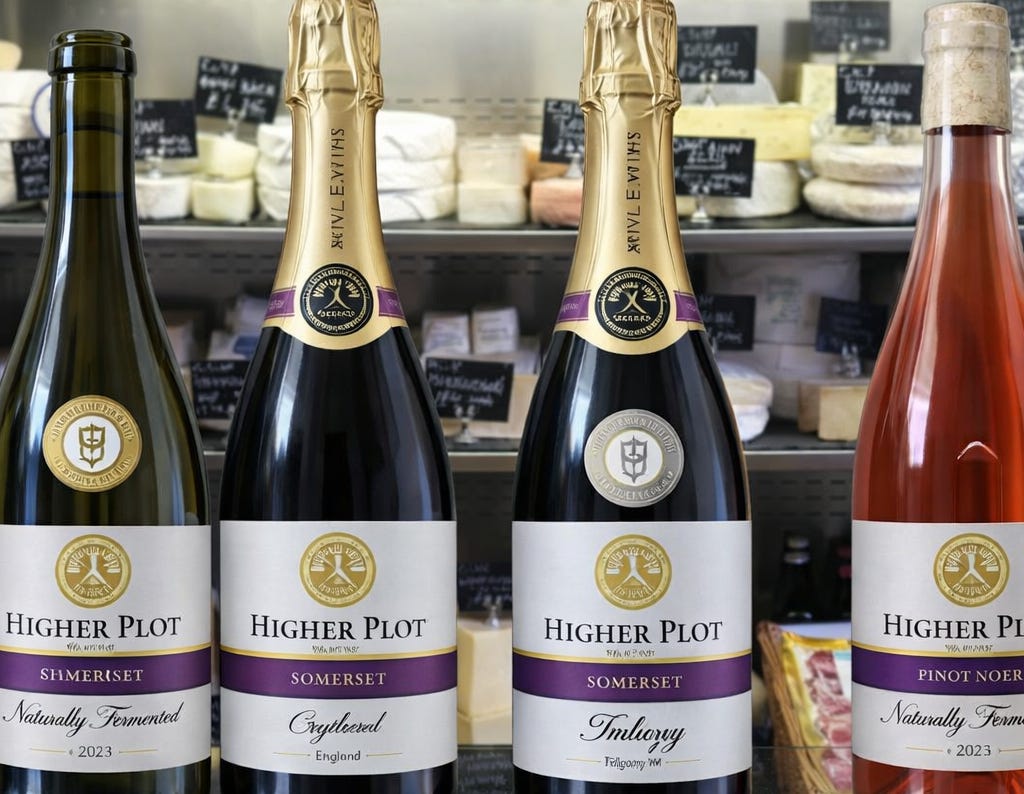
A word of warning. Most people will find this stuff really really boring. It’s about things like profit, capital, margins, ROS and ROI. I am happiest when writing about the many and various joys of life. Growing grapes, making wine and especially, meeting the folks that buy it. That being said, if you’re seriously thinking about doing it for yourself, there are essential considerations to building a sustainable business. If you aren’t contemplating doing this, you might want to move on to the next wine post which will probably tell you how to hold a wine glass or something.
First things first, occasionally I have been asked to do consultancy work frankly, on the basis of how many people then go ahead and start a business, I’m awful at it. An alternative view is that the few that have gone ahead have survived and thrived. What amazes me is how late making money comes into people’s thought process. It’s certainly way way below sitting in a deckchair overlooking your vines with a glass of your own wine in your hand.
Consider a bottle of the wine that you have worked so hard to produce which sells for £30. Compared to the average price of wine in the UK, this is a super premium price. If you have sold this to a shop, how much will you be left with to cover costs? NOTE please don’t take any of the following figures as gospel, they are indicative.
Firstly VAT is going to swallow up 20% of this which neither you or the retailer are going to get a penny which leaves = £25.00. BTW This is gospel and non negotiable.
Our shopkeeper needs to pay her staff, rent, electricity bills……and so may well take somewhere between 32 and 34% POR. (Profit on return IE % margin of the selling price ex VAT as opposed to POC which is % profit on the cost price) . I told you it was a dry subject. So, if anyone is still left reading this - lets say 32% to the shopkeeper = £8.00 which leaves you £17.00. Take off duty = £2.75 and you are left with £14.25. So, not even including the cost of delivery, just under half what the consumer pays.
It gets really painful if you add in an agent or wholesaler in-between yourself and the retailer. Say they take £10% of the duty paid price - £1.70 less duty = £12.55.
So, why on earth would you sell to a retailer when you could sell direct to the person that’s going to drink it?? The reason is - COST OF SALES.
The retailer and wholesaler aren’t being greedy. They have costs which they need to cover and in return they can sell volume. Given the old business cliche that cash flow is king, there are going to be times in the year when bills for winemaking or dry goods ( bottles, labels corks…) come in that need to be covered. Maybe you just need to empty your tanks before the next harvest. Having a good relationship with these guys can and should be really rewarding and there are people still buying our wines that have been with us from day one. They are invaluable to us.

The flip side of COST OF SALES is that although you might make much greater margin selling direct yourself, there are ( yes, you guessed it) costs. There’s your time or employing staff to manage selling. You need to set up your cellar door, maybe market or event fees, publicity, online costs, cost of postage/delivery…. the list goes on. Do you actually want to stand in front of people and sell? The decision you need to take is how you balance your sales between direct and indirect. Getting this right is how you make money.
Looking back on our time here, I would in retrospect, perhaps we over focussed on selling to the trade which happened primarily because this is my background. Latterly, we have switched focus more to selling direct to consumers which is something that I would advise to any small scale producer. For years, demand has outstripped supply of English and Welsh Wine but at least for a while, despite continually rising sales, this may be reversed. There are going to be a lot of new plantings coming on stream at the same time. This means that people will be competing for shelf space. The ones that will come through are those that take the time and effort to open bottles, chat, run tours and get loyal customers. I would be a bit worried if I was a big producer unless I had deep pockets to finance my stock. As little guys in beautiful Somerset, we’re going to be very happy just carrying on carrying on. It’s one of the joys of being an established business.